

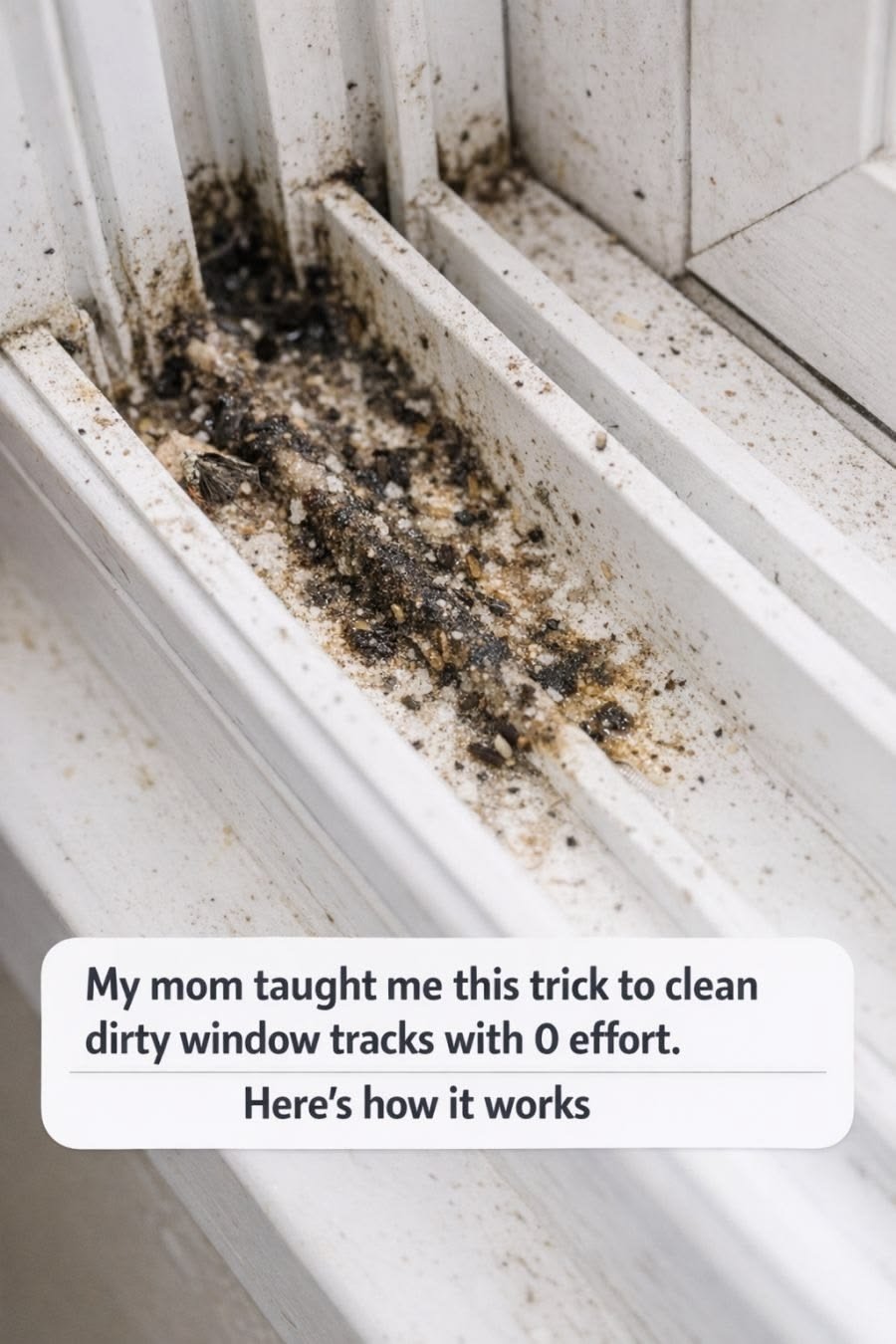
Dirty window tracks can collect dust, grit, hair, and sticky residue in places that are easy to miss during regular cleaning. The narrow corners of sliding window frames are especially frustrating because a cloth cannot always reach the buildup. The good news: you can clean most everyday grime with a vacuum, warm water, dish soap, and a little baking soda. This practical method takes only a few simple steps and does not require harsh cleaners.
Why Window Tracks Get So Dirty
Sliding window tracks sit close to outdoor dust and are exposed to condensation, open-window air, pet hair, and everyday household debris. Dirt can settle into the corners and mix with moisture, forming a dark, stubborn layer. Cleaning the tracks periodically helps keep the window area tidier and makes it easier to spot drainage or moisture problems.
What You’ll Need
- Vacuum cleaner with a crevice attachment or a small handheld vacuum
- Warm water
- A few drops of mild dish soap
- Baking soda (optional, for stubborn surface grime)
- Old soft toothbrush or small nylon cleaning brush
- Microfiber cloths or paper towels
- Cotton swabs for tight corners
- Small bowl and spray bottle (optional)
- Dry towel
How to Clean Dirty Window Tracks Step by Step
1. Open the window and remove loose debris
Open the sliding window according to its normal operating instructions. Use a vacuum crevice tool to remove loose dust, dead insects, hair, and grit from the track. Work slowly along the full length and pay special attention to the corners. Removing dry debris first prevents it from turning into muddy residue when you add water.
2. Loosen the dirt in the corners
Use a dry toothbrush or a soft nylon brush to sweep debris out of narrow corners and grooves. Vacuum again if needed. Avoid metal picks, knives, or abrasive tools, which can scratch the PVC frame or damage seals.
3. Make a gentle cleaning solution
Add a few drops of mild dish soap to a small bowl of warm water. Dip a microfiber cloth or soft brush into the solution and wring it out so it is damp rather than dripping. You want enough moisture to lift the grime without flooding the track or nearby drainage openings.
4. Scrub the track carefully
Work the damp brush along the track, using short strokes to loosen dirt from the grooves. Wipe the loosened grime away with a microfiber cloth. For tight corners, use a cotton swab or wrap a cloth around the end of a plastic utensil. Do not force tools into drainage holes or moving hardware.
5. Use baking soda on stubborn residue
If a few dirty areas remain, sprinkle a small amount of baking soda over the damp surface or mix it with a little water to make a thin paste. Gently work it with a soft brush, then wipe it away with a clean damp cloth. Test first in an inconspicuous spot and avoid vigorous scrubbing, since even mild powders can dull some finishes if rubbed aggressively.
6. Wipe away soap and residue
Use a fresh cloth dampened with clean water to remove any remaining soap or baking soda. Repeat with a clean section of the cloth until the track no longer feels slippery or gritty. Keep water away from areas where it could run into the wall or interior trim.
7. Dry the track completely
Dry the track and corners with a clean towel or microfiber cloth. Leave the window open briefly if conditions allow so the area can air-dry. A dry track is less likely to hold onto fresh dust and helps you notice whether moisture is returning.
What If the Dark Spots Look Like Mold?
Dark dirt is not always mold, and appearance alone cannot confirm what it is. If you see suspected mold, avoid dry brushing or vacuuming it with an ordinary household vacuum because that can spread particles. For a small area on a nonporous surface, follow the window manufacturer’s cleaning guidance and the cleaner’s label, wear suitable gloves, ventilate the room, and dry the area thoroughly. Never mix cleaning products, especially bleach with ammonia, acids, or other cleaners.
If growth keeps returning, covers a large area, has reached porous materials, or is associated with persistent leaks or condensation, address the moisture source and consider getting help from a qualified remediation professional. Do not assume that adding more cleaner will solve an ongoing moisture problem.
Important Window Track Cleaning Tips
- Check the manufacturer’s instructions: Window finishes, seals, and hardware can vary. Use only cleaners approved for your window type.
- Use minimal water: A damp cloth is safer than pouring or spraying large amounts of liquid into the track.
- Protect drainage openings: Keep debris and cleaning paste out of weep holes and make sure they remain clear.
- Choose soft tools: Nylon brushes and microfiber cloths are less likely to scratch PVC than scouring pads or metal tools.
- Test first: Try any cleaner or paste on a small hidden area before cleaning the whole track.
- Never mix products: Use one cleaning solution at a time and rinse away residues before trying another product.
How Often Should You Clean Window Tracks?
For many homes, checking and cleaning window tracks every few months is a useful routine. Homes near busy roads, construction, dry dusty areas, or with pets may need more frequent attention. A quick vacuum when you clean the window glass can prevent loose debris from building up into a stubborn layer.
Frequently Asked Questions
Can I use vinegar to clean PVC window tracks?
A mild dish-soap solution is a good first choice for routine cleaning. Because window materials, coatings, and seals differ, check the manufacturer’s care instructions before using vinegar or any acidic cleaner. Never combine vinegar with bleach or other cleaning products.
Does baking soda damage PVC?
Baking soda is commonly used as a mild household cleaning powder, but rubbing it hard can affect some finishes. Use a small amount, apply gentle pressure with a soft brush, test a hidden spot first, and wipe it away completely.
How do I clean the tiny corners of a window track?
Vacuum first, then use a soft toothbrush or cotton swab lightly dampened with soapy water. A microfiber cloth wrapped around a narrow plastic tool can help reach a corner, but do not push anything into drainage holes or moving parts.
Why does dirt keep coming back?
Dust can enter whenever a window is opened, while condensation or leaks can make debris stick to the track. Check for blocked drainage openings, damaged seals, and recurring moisture. Regular vacuuming helps control ordinary dust, but persistent dampness needs to be addressed at its source.
A Simple Cleaning Habit That Makes a Difference
You do not need a complicated cleaning routine to refresh dirty window tracks. Remove loose debris, gently scrub with mild soapy water, use a little baking soda only where needed, rinse away residue, and dry everything well. With occasional maintenance and attention to moisture, your window tracks can stay cleaner without harsh chemicals or excessive effort.